

Systems integration - TSA engineers a venue's stage systems to operate as one environment, under one control layer, with every interface owned by one party
Separate systems. One engineered environment.
Hoists, lighting bars, curtain track and acoustic banners specified together, wired into one control layer and commissioned with every interface owned by one party. Engineered into the building, documented, and supported long after handover.











Start at the drawing.
Or start with what you own.
Some venues come to us at concept. Some come with a plant room full of other suppliers' kit. Either way the outcome is the same: one control layer, one set of documentation, one party accountable for every interface.
Design the whole environment as one system
Start at the drawing: every subsystem specified together and engineered onto one control layer from concept, so load paths and interfaces agree before anything is fabricated.
Integrate new kit into your existing systems
New hoists, bars or track engineered to work with what the venue already runs - assessed, coordinated and commissioned as one environment.
Bring separate systems under one control layer
A venue that grew system by system, unified: one control architecture, one E-stop philosophy, one set of documentation.
Engineered to work
as one.
Systems integration is the venue engineering work that makes a building's stage systems operate as one - hoists, lighting bars, curtain track and acoustic banners specified together, wired into a single control layer, and commissioned with every interface owned by one party. It is for venue managers, consultants and head contractors who want a staging environment that behaves like one system on day one and stays serviceable for years.
Buy those systems separately and the venue owns every gap between them - gaps that surface during install, or in operation. TSA closes them on paper first. Scenic, rigging, automation, drapes and electronics capability sit in one organisation, so every load path and interface is coordinated before anything is fabricated. Integration specifies the environment; installation delivers it - both carried by one team.
Four jobs, one system.
What gets integrated.
The delivered-systems portfolio behind this page spans broadcast, studio, teaching and performance venues. Each system is engineered as part of one environment - specified, powered and controlled as a whole, not bought as a line item and bolted on.
Hoists & grouped hoist-truss systems
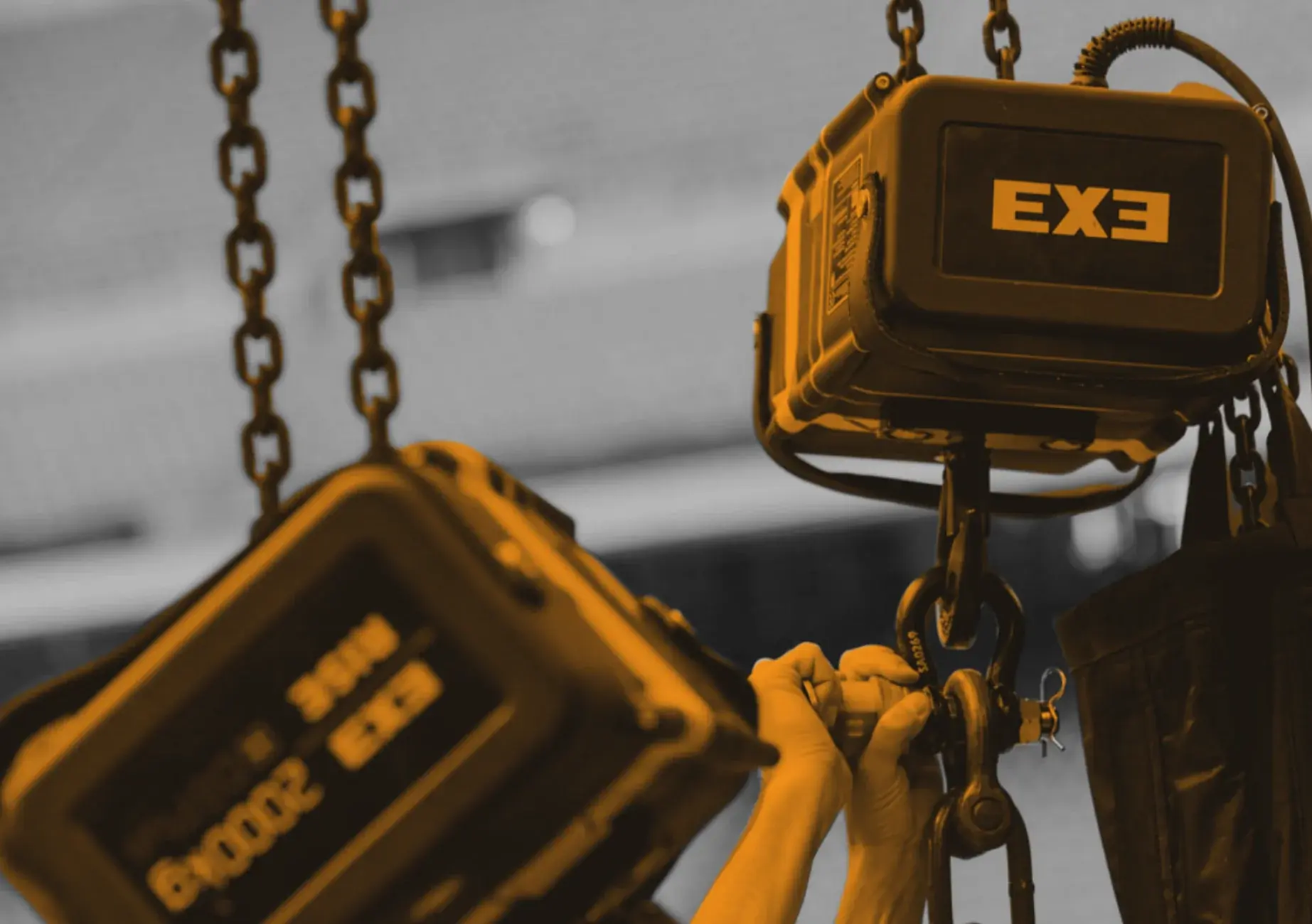
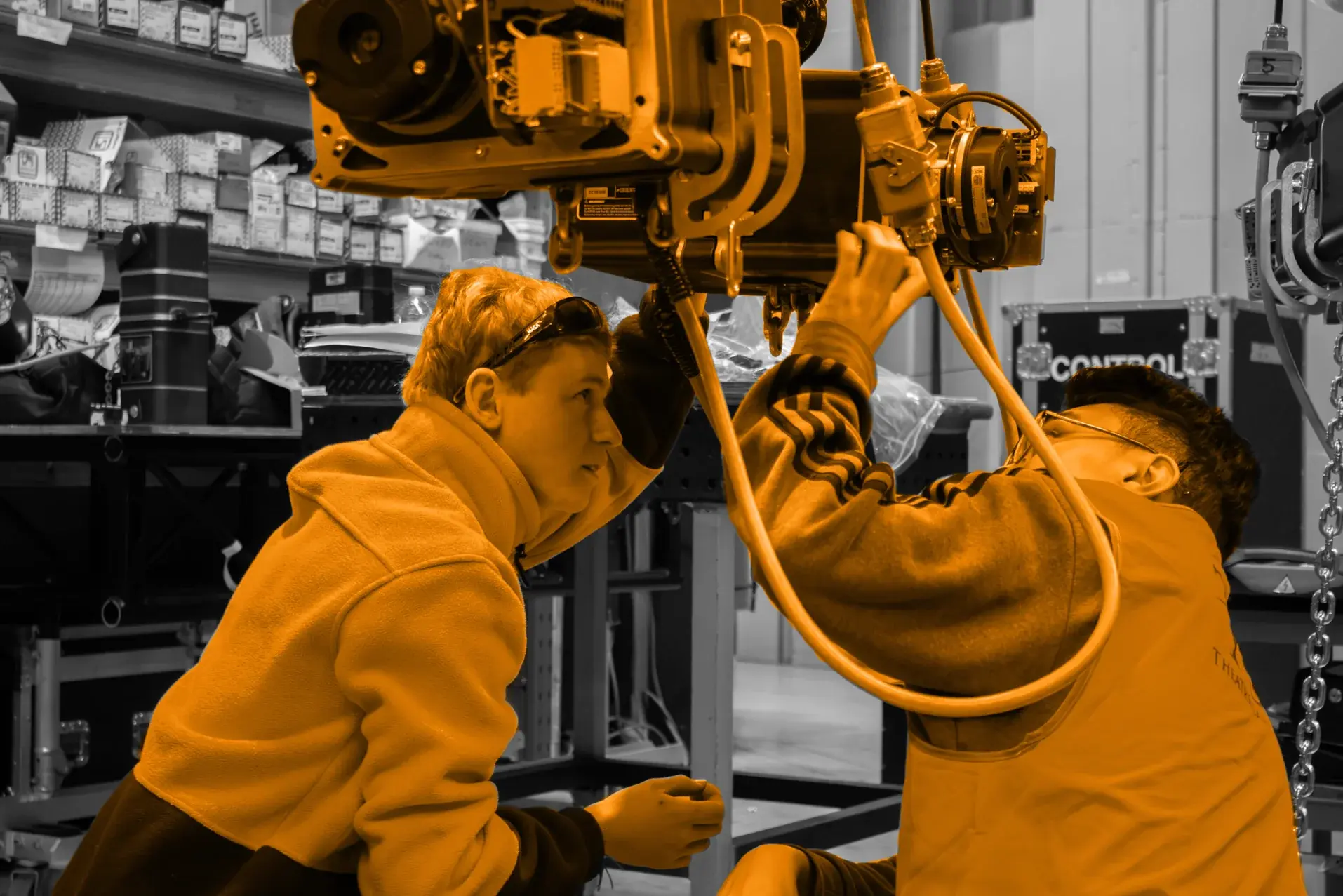
Chain hoists carrying box truss, each hoist operating independently but electronically linked to move as one unit, with a load cell per hoist keeping weight balanced across the group.
Pile-hoist lighting bars
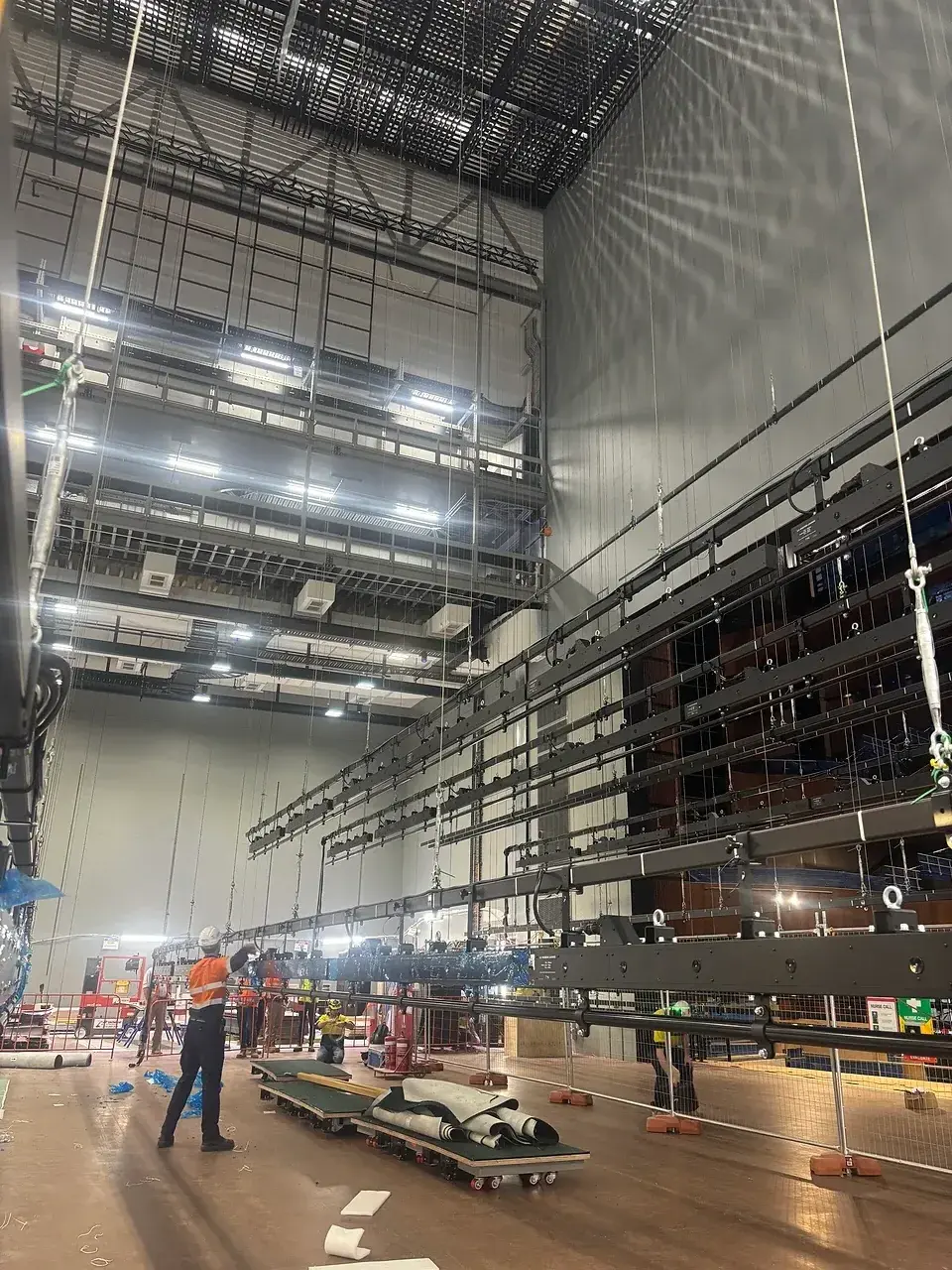
Ceiling-mounted pile hoists raising internally-cabled lighting bars and general-purpose battens on multiple steel wire ropes, with their own power, data and cable management.
Curtain track & acoustic systems
Curtain track integrated with the grid and rigging above it, and acoustic curtain panels and roller banners on a control system with positioning and preset recording.
The control layer
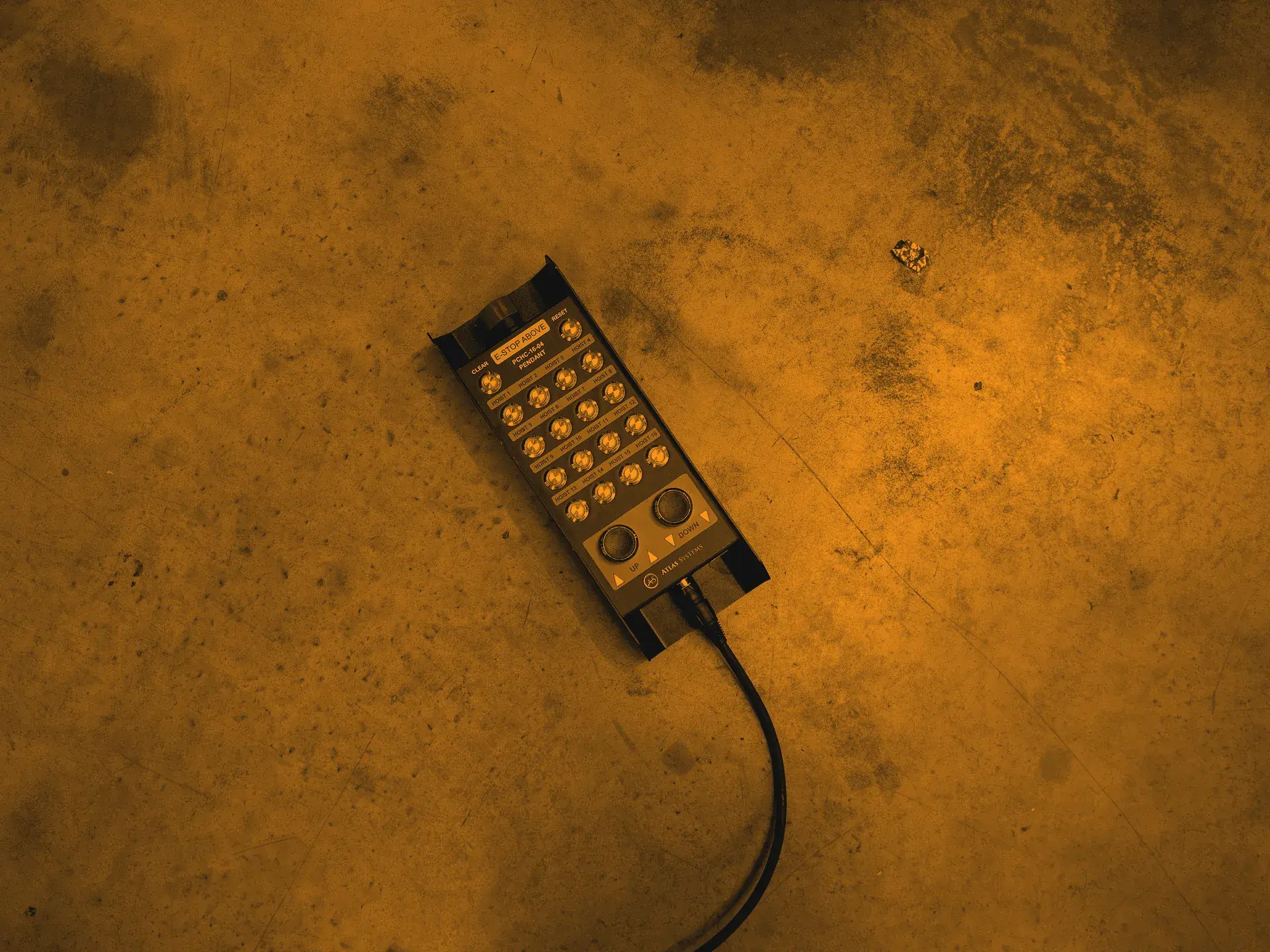
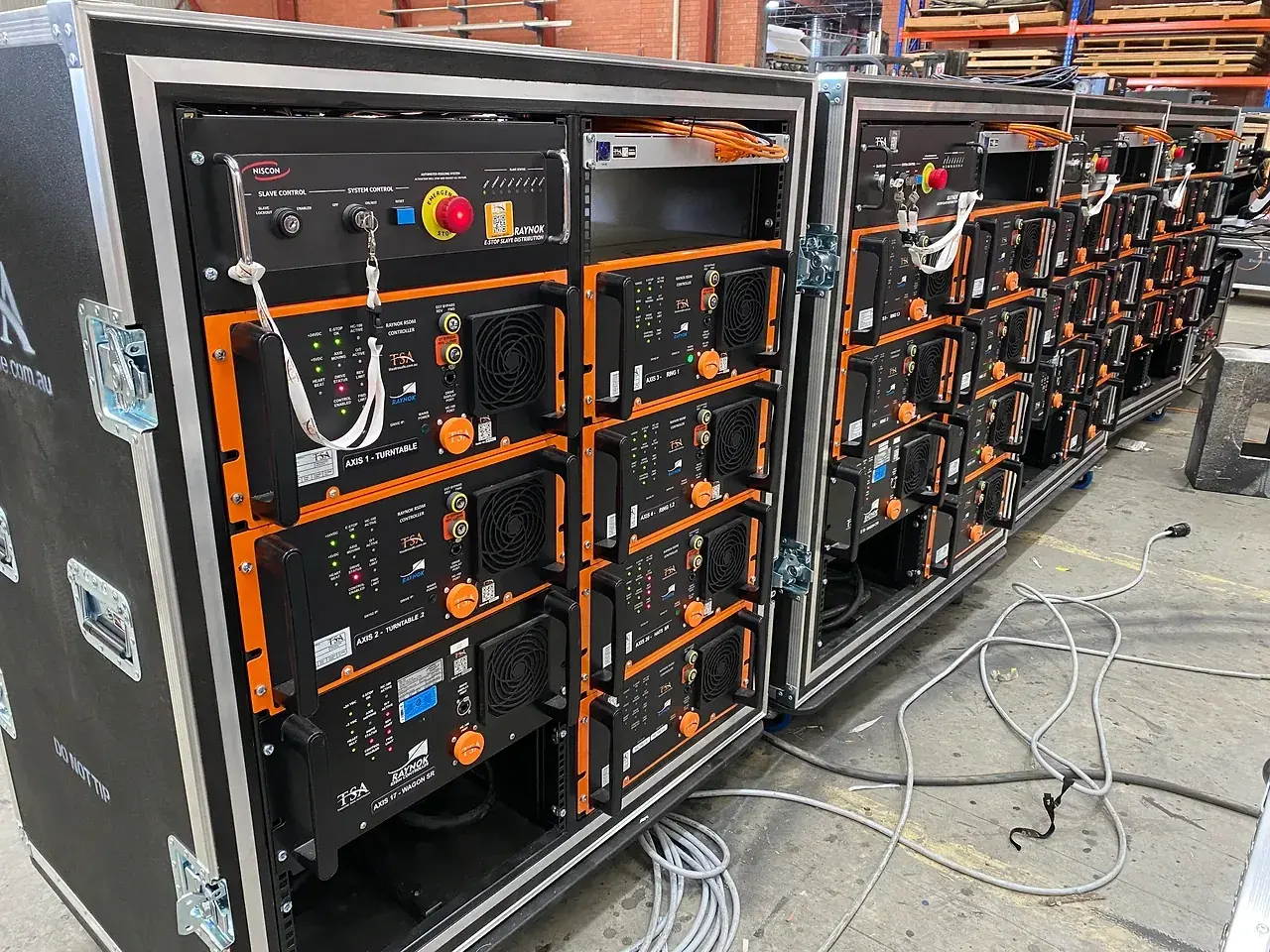
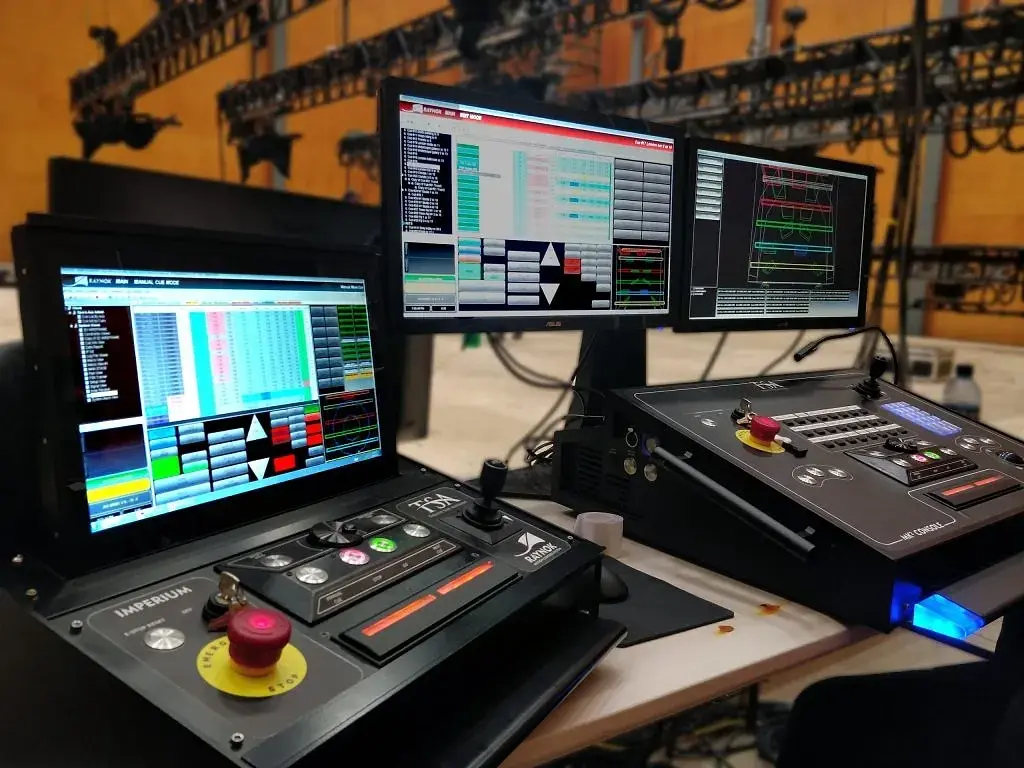
One architecture across every axis: multi-axis control, a pendant-mounted global E-stop, multiple user levels and live load monitoring - TSA's own integrated system, with Atlas controllers where hoist control calls for them.
Power, data & outlet boxes
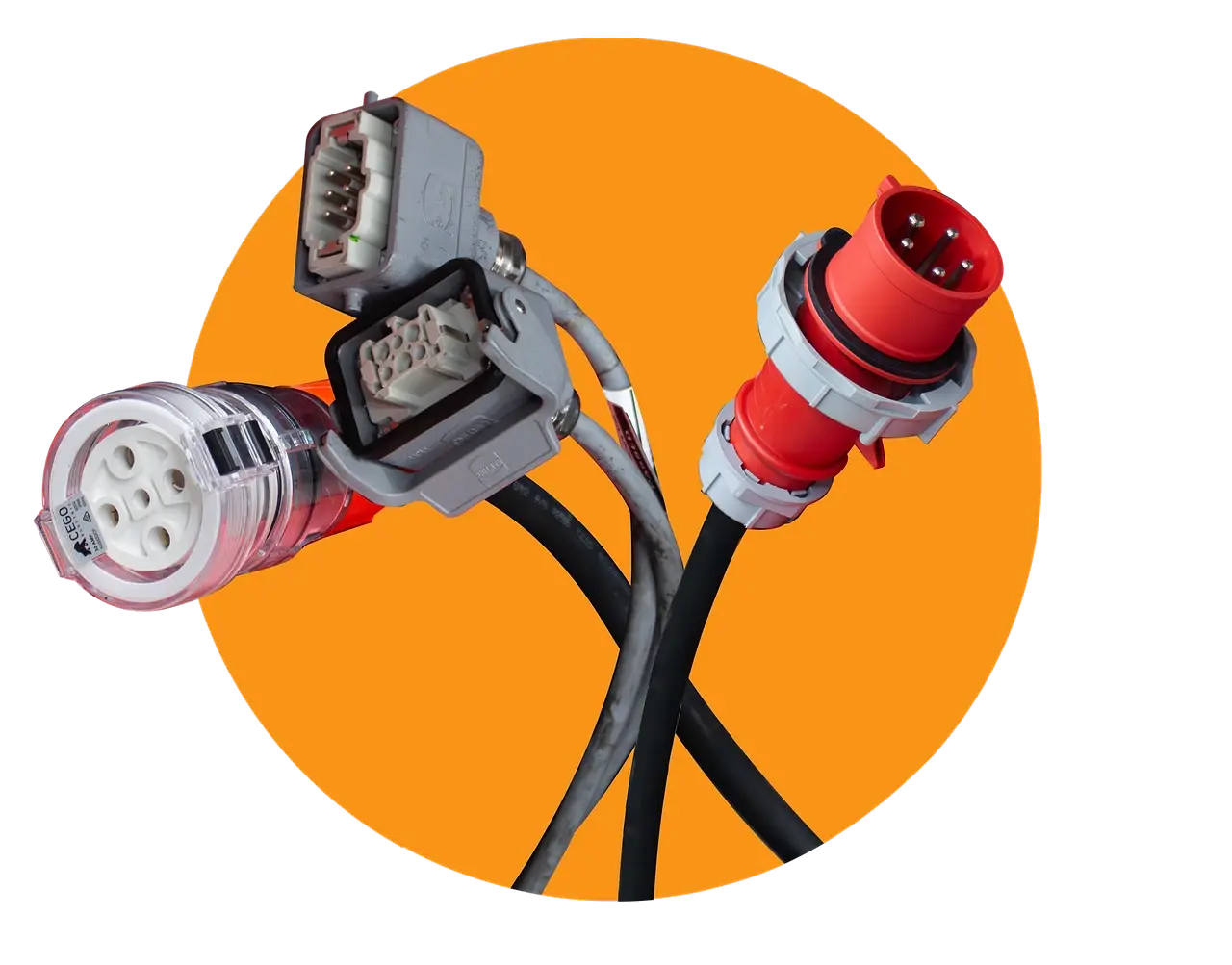
SEB, AVB and SLB stage-engineering outlet boxes feeding power and control to hoists and equipment at the point of use - designed into the venue, not cabled around it afterwards.
Hoist control at product level lives with the Atlas controller family; per-show automation is Production Engineering. This page is the building: permanent systems, engineered to operate as one.
Integrated once.
Running for years.
From a multi-studio broadcast facility to convention-centre stages and a 4,000-show arena spectacular - environments engineered as one system, and still in service.
See all projects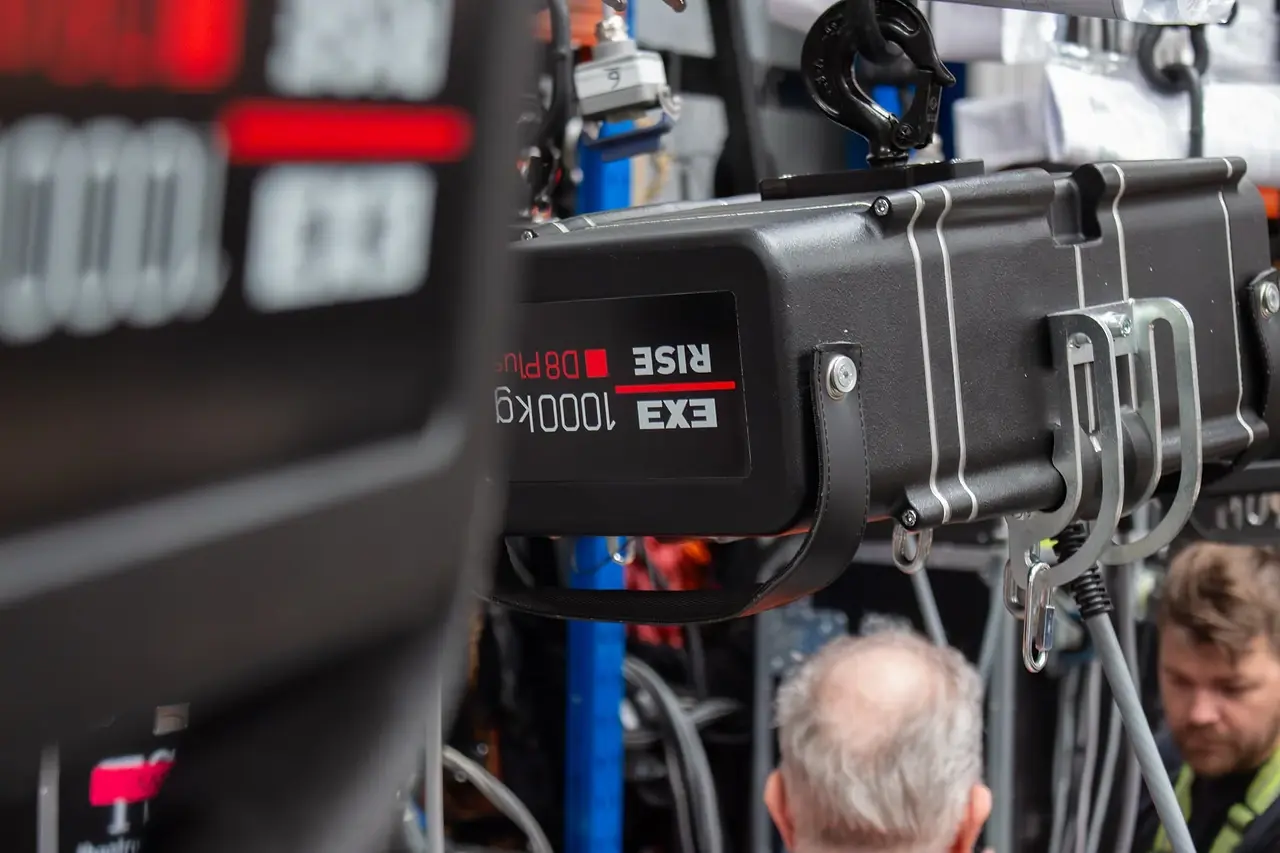
36 hoists, 42 metres of truss, one system.
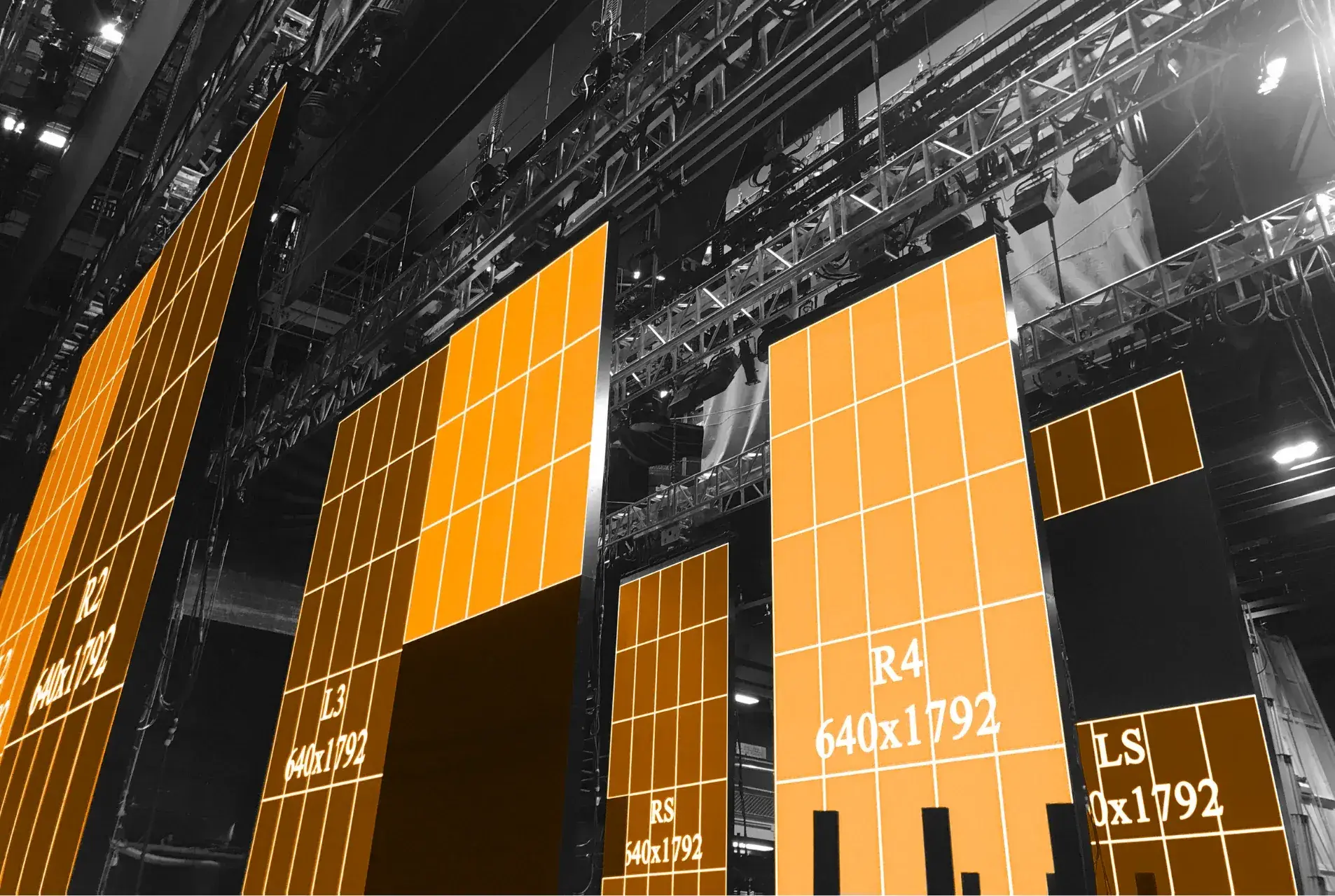
A 36-axis hoist array and box truss installed and commissioned as one overhead staging system in the Great Hall - the venue takes whatever build walks in.
Read the project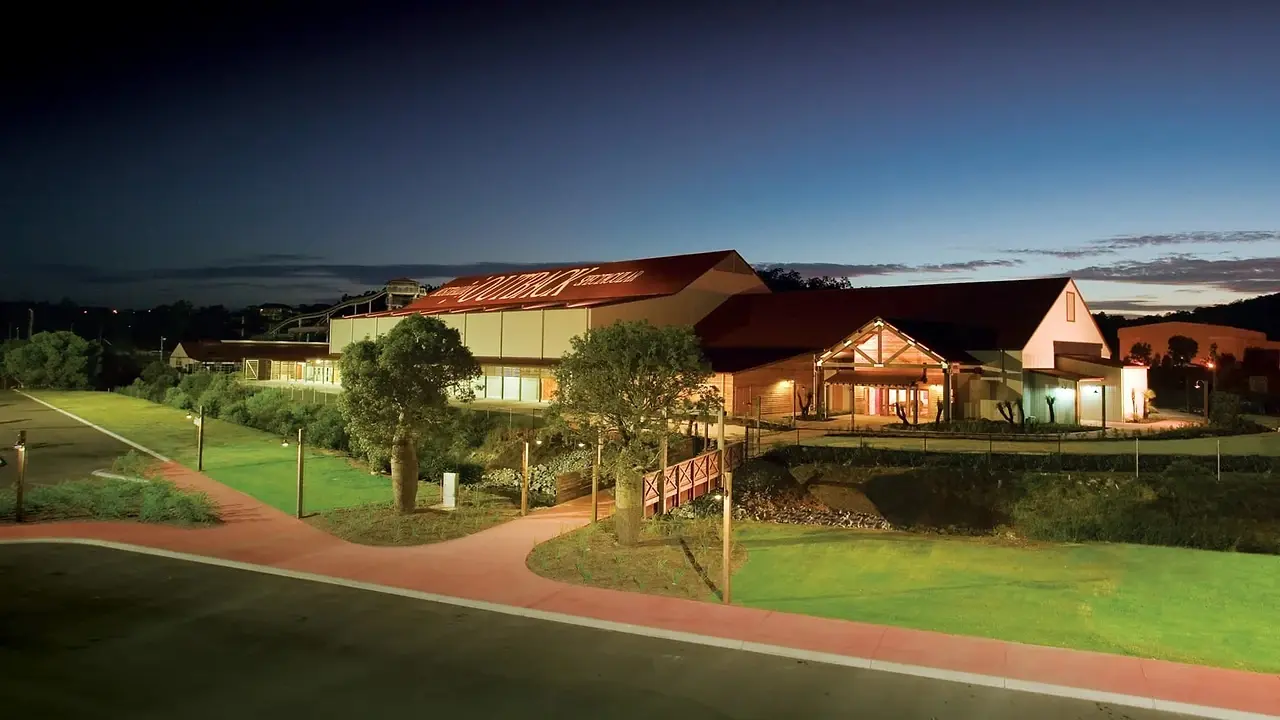
7+ years. 4,000+ shows. One environment.
Staging and automation integrated as one environment at Australian Outback Spectacular - and still running night after night.
Read the project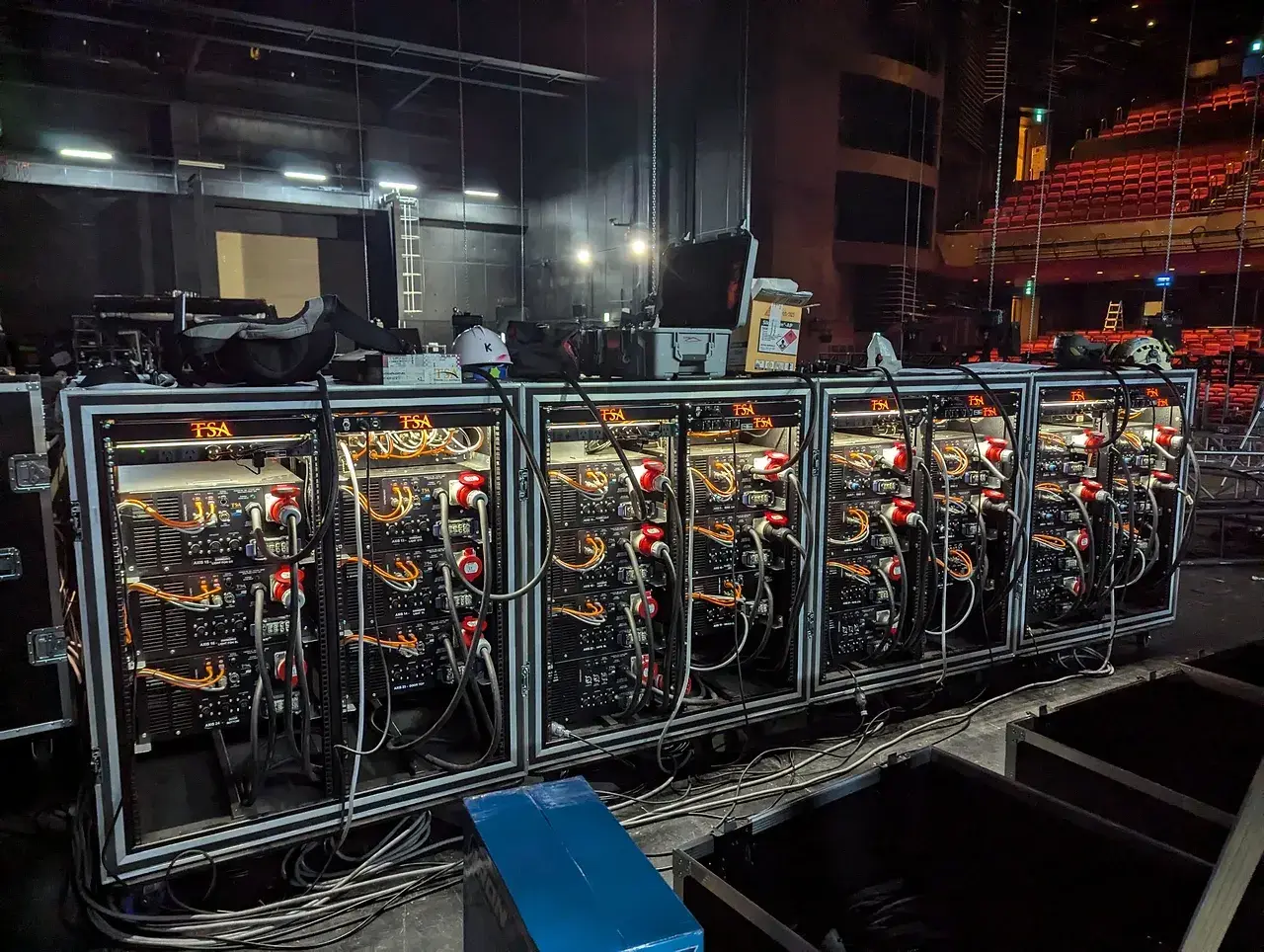
A multi-studio facility, answering to one architecture.
Studio hoists on stage-engineering outlet boxes, pile-hoist bars, grouped load-cell truss and preset acoustic banners - delivered as one engineered environment across a multi-studio broadcast facility.
See our installsTell us what the building runs.
Questions
about systems integration.
If your question isn't here, talk to our team and we'll come back with the right answer for your building.
Call 1300 439 872 →Every system.
One number to call.
Tell us the venue, the systems it runs and where they need to be. We'll come back with how we would engineer them into one environment - and stand behind it long after handover.