

To the designer's intent. Built to conservation spec.
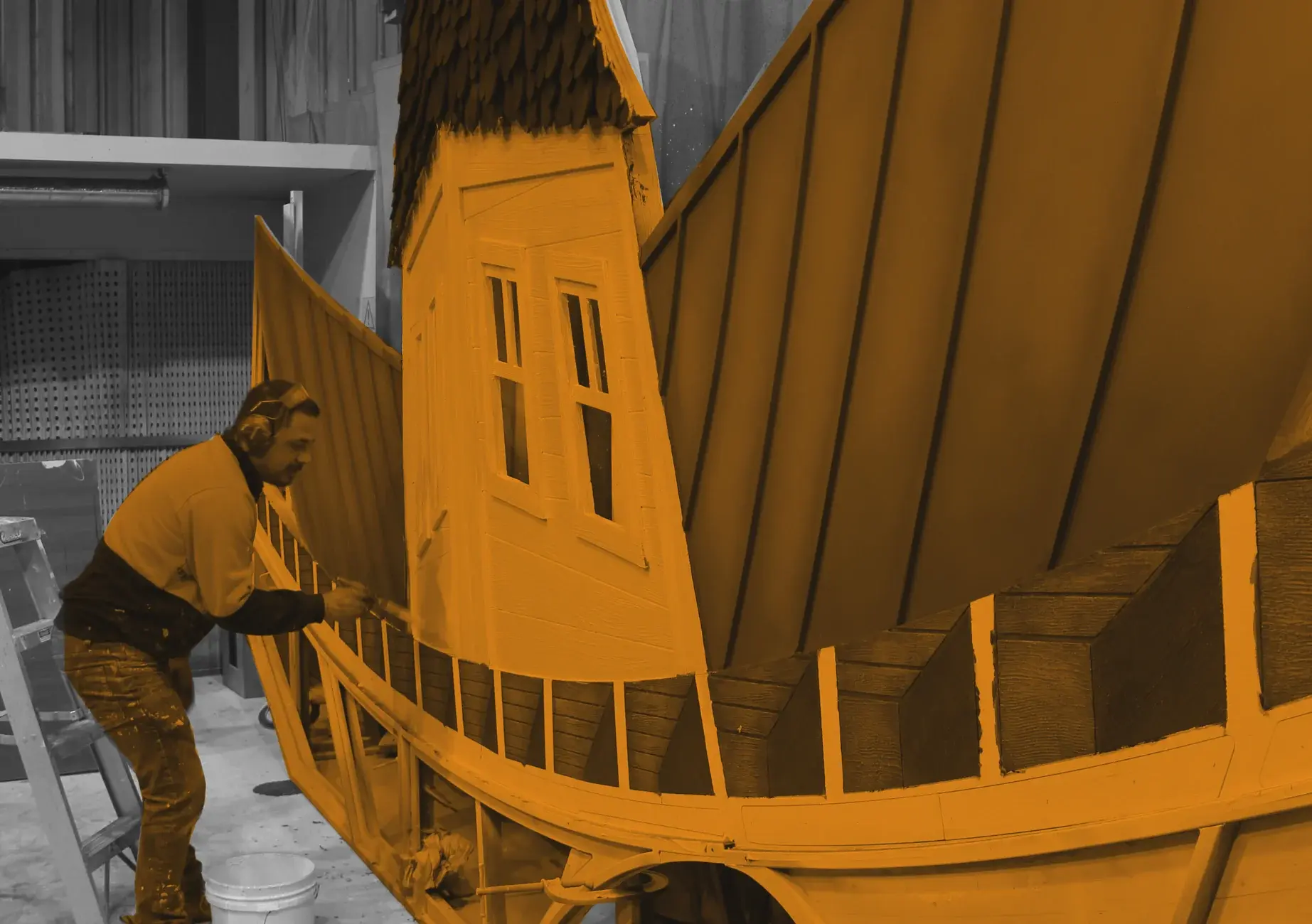
Permanent galleries, touring exhibitions, heritage recreations. Fine joinery, cabinetry, showcases and metalwork, fabricated in our workshop and installed on site, around fragile objects and your opening date.












































From the showcase to the period room, one workshop builds it.
A gallery is a stack of built things that all have to read right and last - cases, plinths, fit-out, heritage recreations and the interactives that survive a busy room. Choose the kind of exhibition you are building, then explore what we fabricate and install across it.
Want the full walkthrough? Open the interactive venue explorer →
One workshop. From the design intent to the de-install.
-
Stage 01
Design intent
We read the designer's drawings and the conservation brief before a thing is cut.
Museum & Gallery Fit-out -
Stage 02
Specify
Materials, finishes and detailing scoped to conservation spec and your budget.
Talk to our team -
Stage 03
Fabricate & install
Built in our workshop, installed on site, around fragile objects and your opening date.
See the fit-out offer -
Stage 04
Tour & maintain
Crated for the road, reinstated at the next venue, supported across the exhibition life.
Touring Support
What galleries call us about.
Different exhibition, same short list. These are the briefs that come to our workshop - and the reason we read the designer's drawings before we quote a thing.
We need display joinery and cabinetry that protects fragile objects to spec, not furniture that only looks the part.
Exhibition Designer
There's a heritage interior to recreate, down to the finish, and it has to read as the real thing.
Curator, regional gallery
The build has to survive the road and a tight install window, and still come up perfect at the next venue.
Producer, touring exhibition
I have a designer's drawings and an opening date, and I need someone who can actually build to both.
Collections Manager, state museum
The install has to happen around the objects and the public, in the gallery, without a mark on anything.
Facilities Manager, public gallery
The build, from one team.
The exhibition is fabricated by the same workshop that builds national touring scenery - trades, materials and engineering pointed at the gallery. Hover or tap any capability to see how it shows up in your exhibition, listed in the order most galleries meet us.
Designer's intent, built to last.
Fine joinery, cabinetry, showcases and plinths, heritage recreation, exhibitions and interactives - fabricated in timber, ply, acrylic and metal to conservation spec, with the crating to move it. Built in our workshop, installed on site, around fragile objects and your opening date.
When an exhibit has to move.
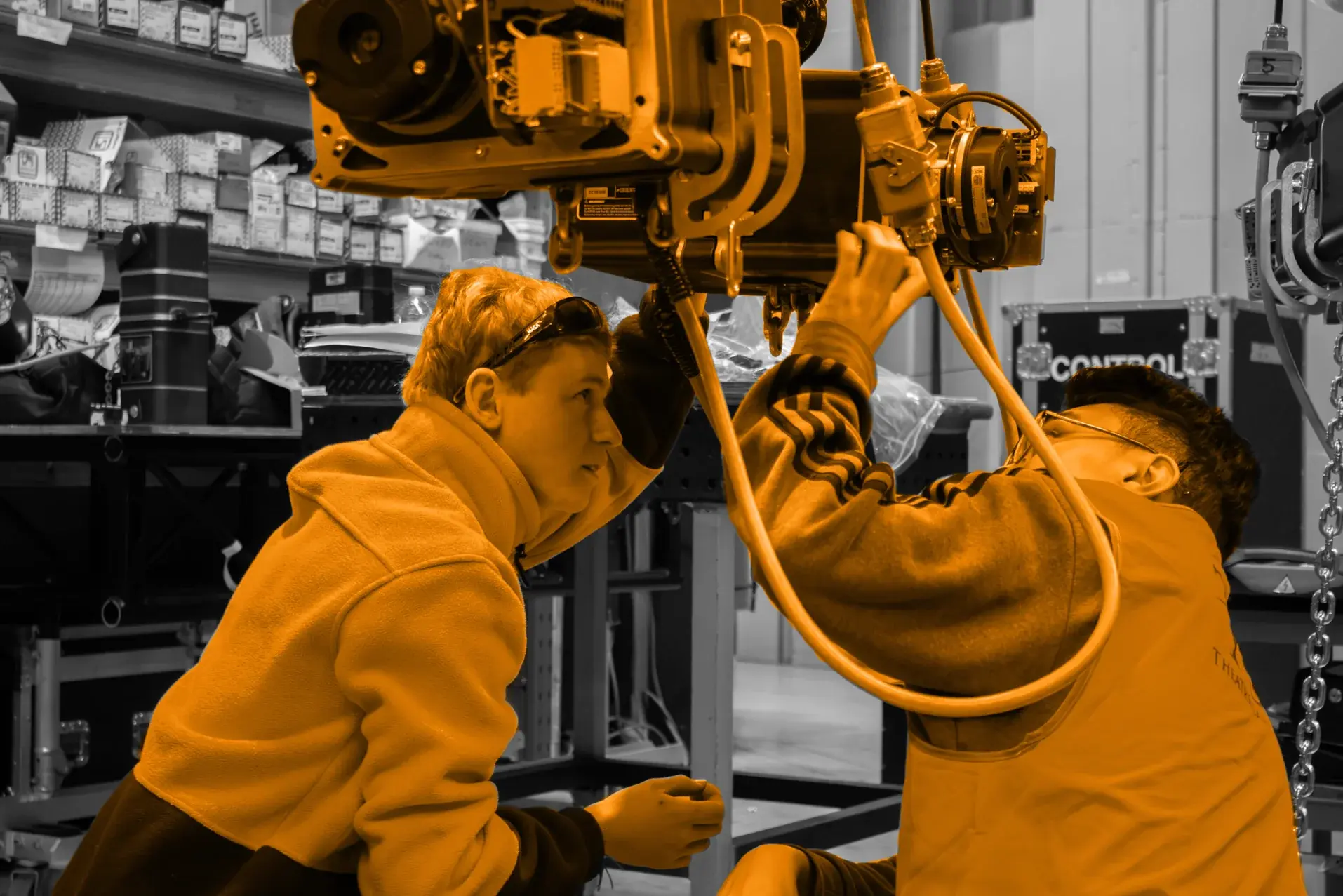
When a piece needs motorised movement, show control or bespoke rigging - a working machine, a kinetic object, a cue-driven reveal - we design and build the mechanism. The rare exhibit that does more than stand still, engineered and signed off.
The gallery, turned from shell to space.
Walls, finishes, hanging systems and display lighting that turn a bare shell into a gallery and take the next exhibition too. Scoped, installed and commissioned around the objects and the public, with the on-site trades to match.
Documented, where the load goes over people.
When an exhibit hangs overhead - a suspended object, a beam, an object hoist - the points are rated, load-tested and documented for work over visitors. The inspection trail your insurer and your facilities team ask for, signed off.
When the object hangs overhead.
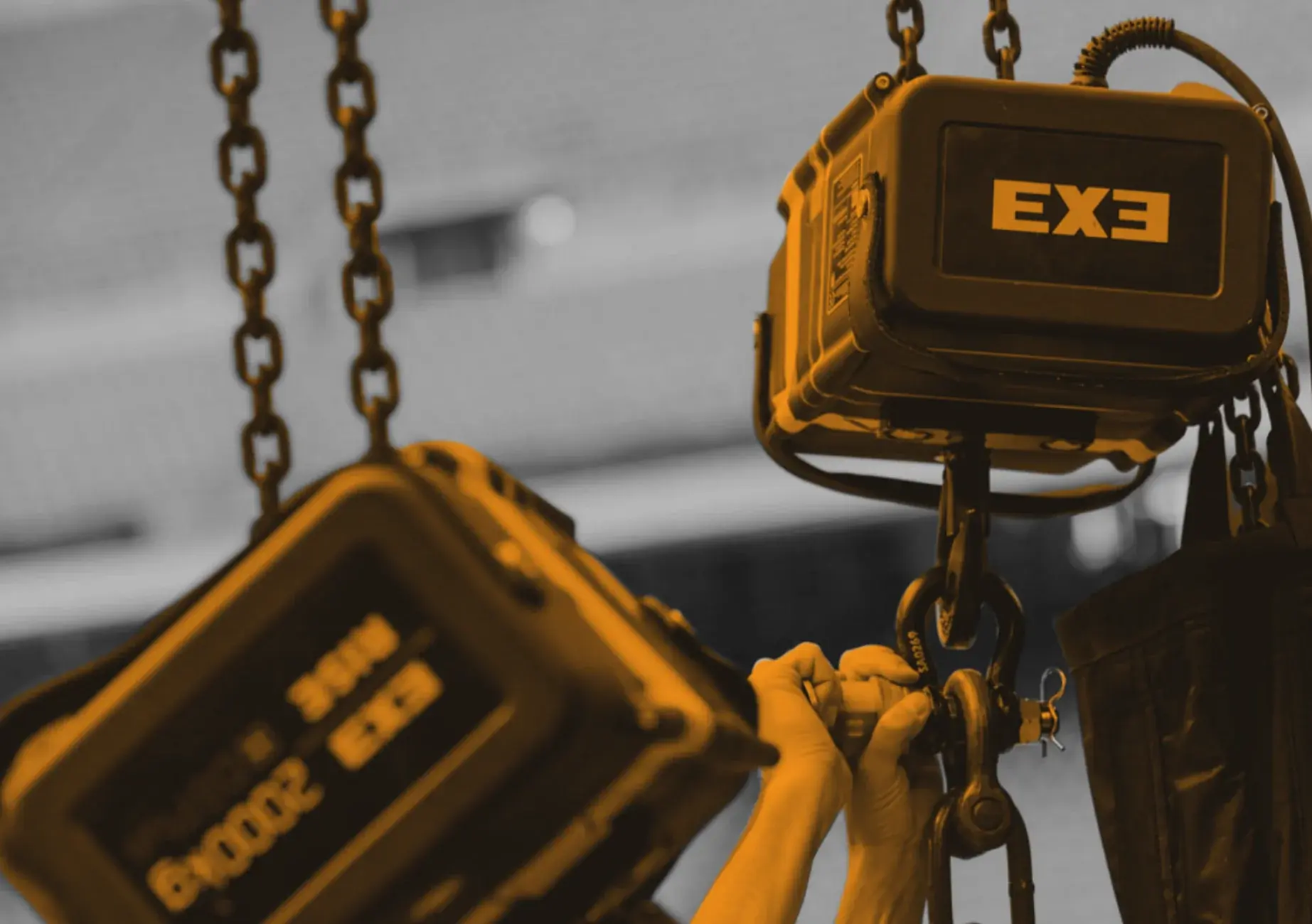
Suspension beams and object hoists that carry a hung artwork or lift a heavy piece - a sculpture, a vehicle, an aircraft - safely above visitors. Engineered for the object, load-rated and certified to AS 4991, so nothing overhead is a question mark.
Blackout and masking that stays FR-current.
Blackout drape and masking for immersive, projection and touring galleries, sized to your openings, FR-treated and recertified before the window lapses, available as new stock, hire stock, or a recertification of the drapes you already run.
Extra kit for the exhibition that needs it.
Extra masking, a few more hoists or a full package for a touring exhibition - the same kit you'd buy, booked to your install dates and delivered around your fit-out and de-install.
How it usually goes, start to finish.
Most museum and gallery builds with TSA follow the same five-step shape. Mapped to your install window, not ours.
-
Step 01
Design-intent review
Design-intent review with the curator and exhibition designer.
-
Step 02
Fabricate
Fabrication in timber, ply, acrylic and metal to conservation spec.
-
Step 03
Install
On-site installation programmed around the gallery calendar.
-
Step 04
Tour-ready
Touring-ready packing and reinstatement where required.
-
Step 05
Maintain & de-install
Maintenance and de-install support across the exhibition life.
spec
Worth a read
before you hang it.
Projects and guides from the team that builds for galleries - fabrication, fit-outs and the rated structures behind suspended objects.
See all articles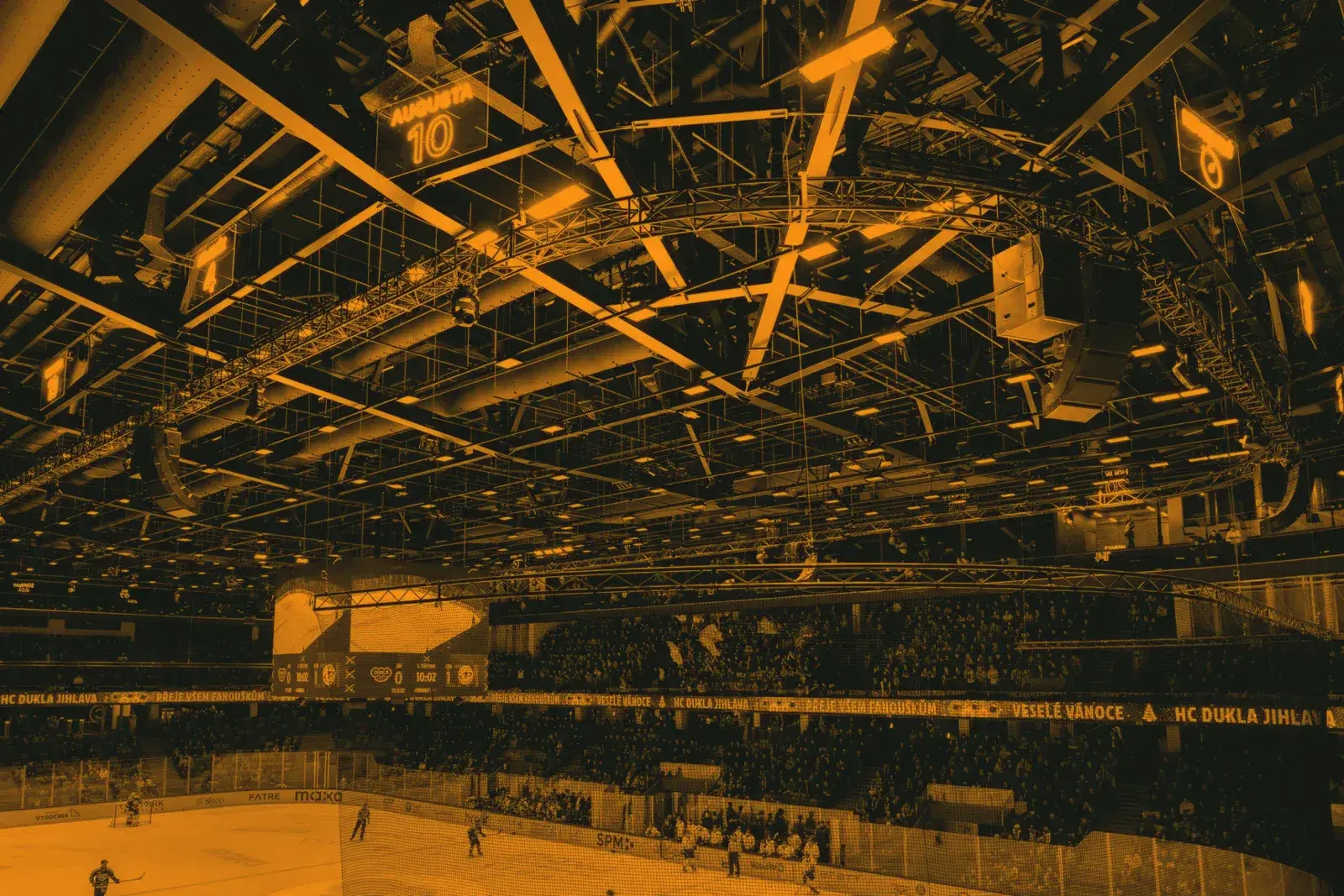
Stage truss types and where each earns its keep.
The spans, loads and connection types behind suspended structures.
Read the article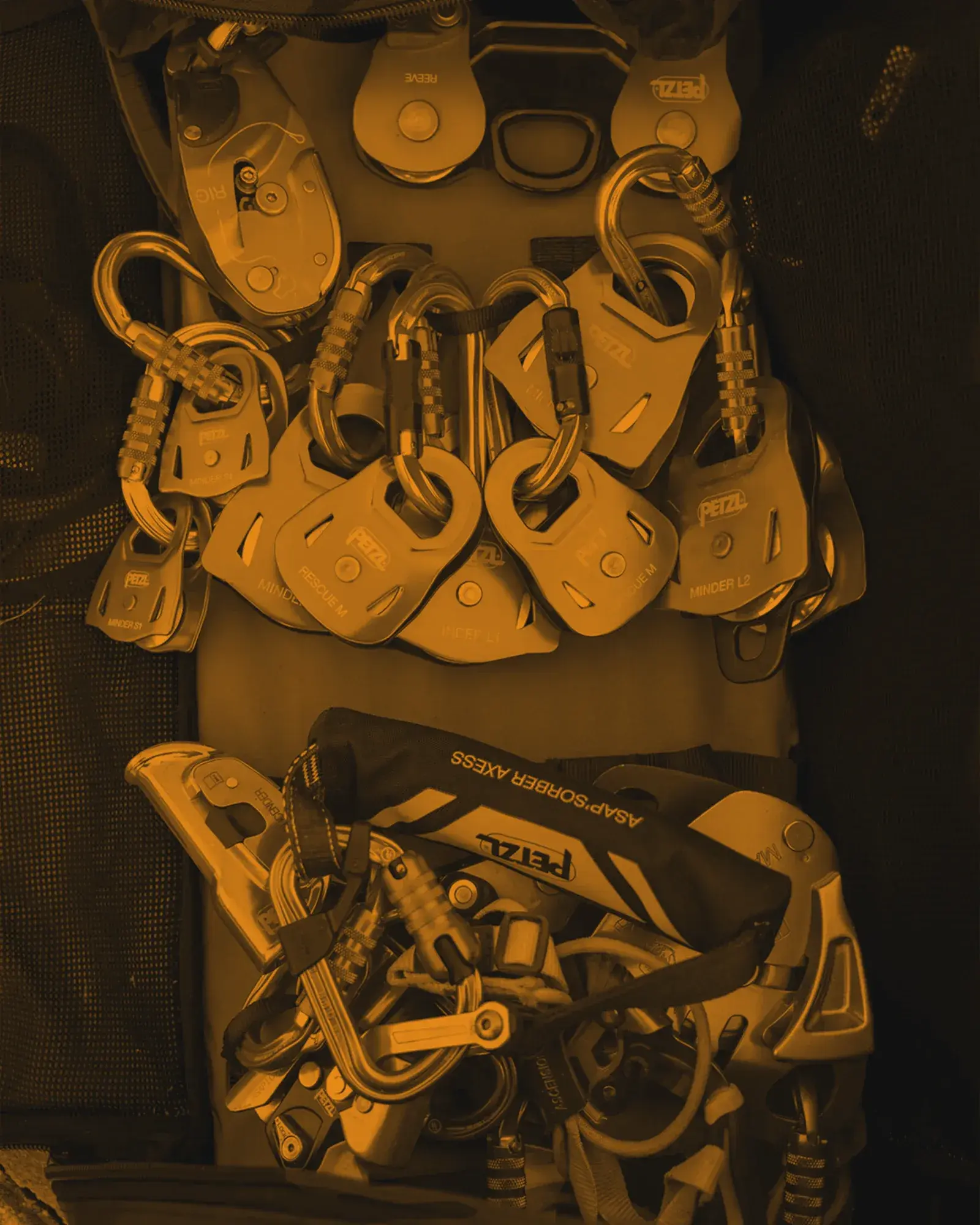
WLL, explained before you hang anything over people.
What the tag means and why it governs every suspended object.
Read the article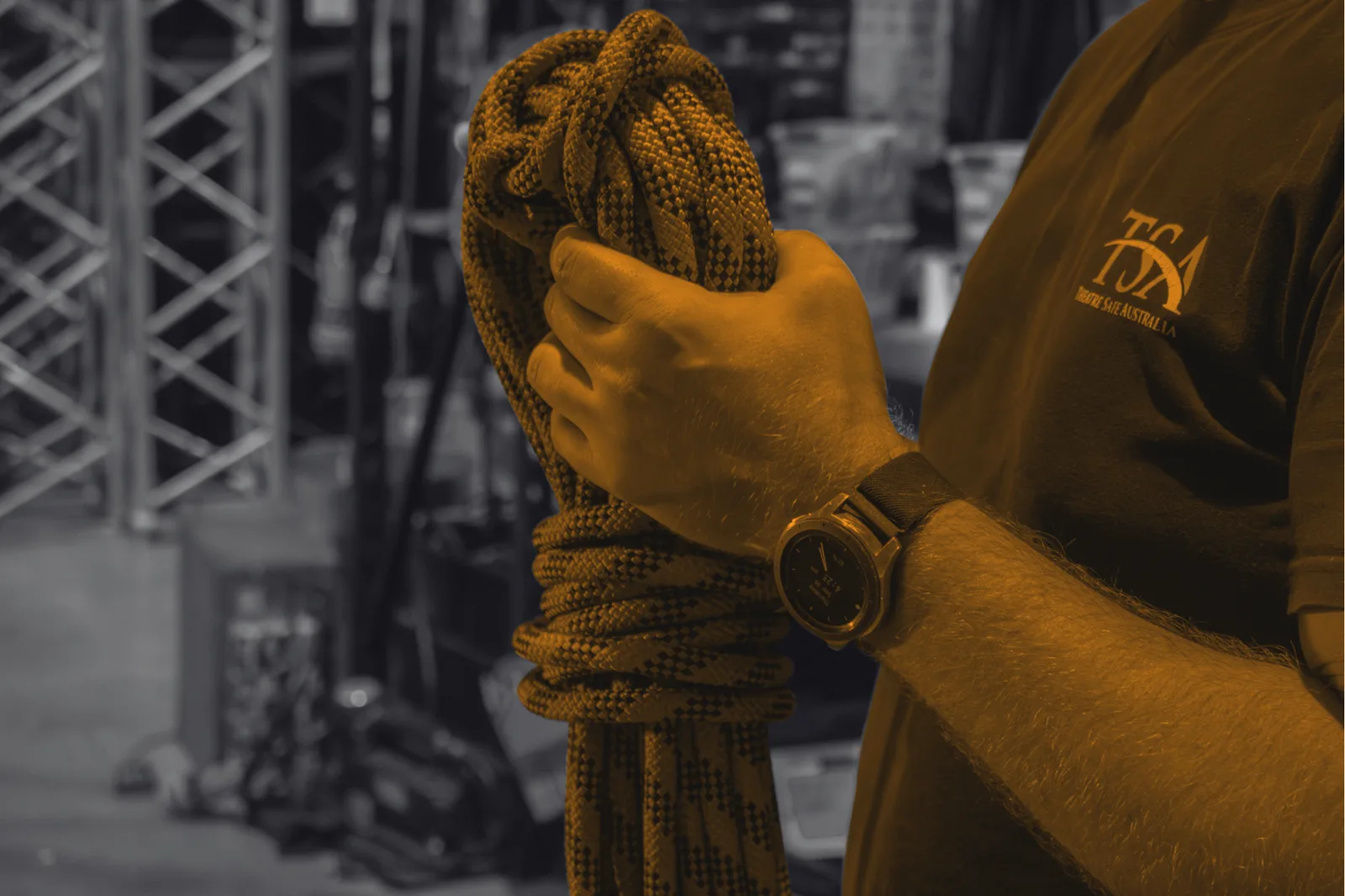
Knots, terminations and their load limits.
Where a knot is acceptable and where only a rated termination will do.
Read the articleThe work, on the gallery floor.
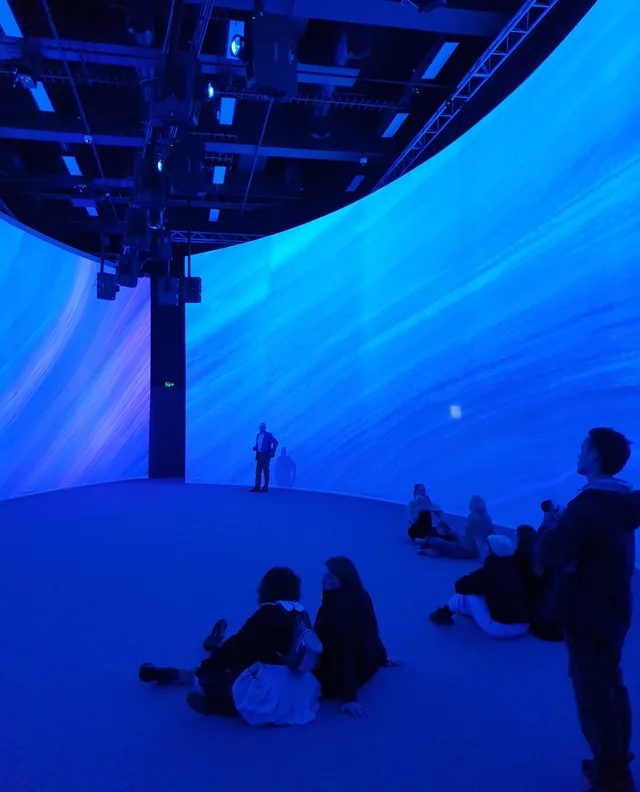
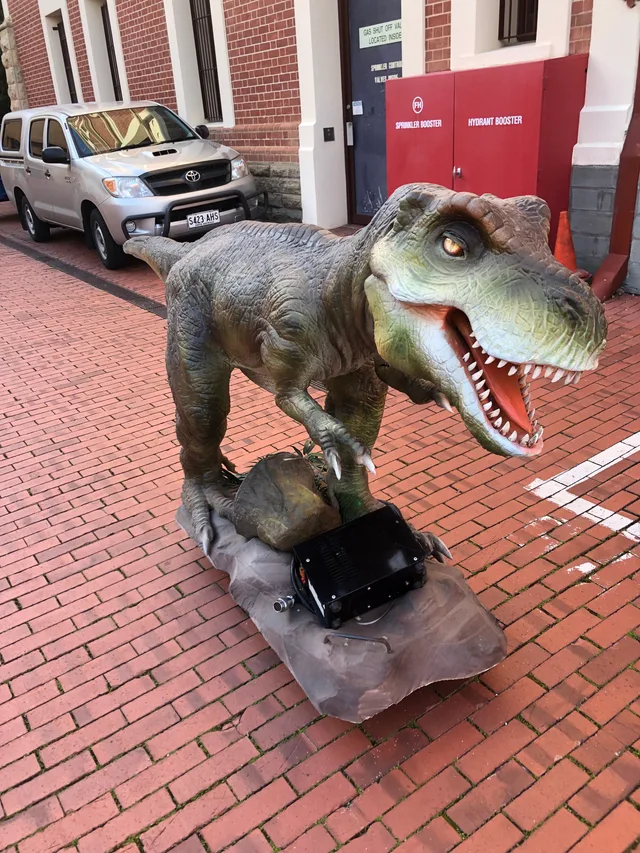
Scroll through the installs - voile canopies and drape enclosures at Melbourne Museum, projection cycloramas in alignment, and a T-rex arriving on the loading dock.
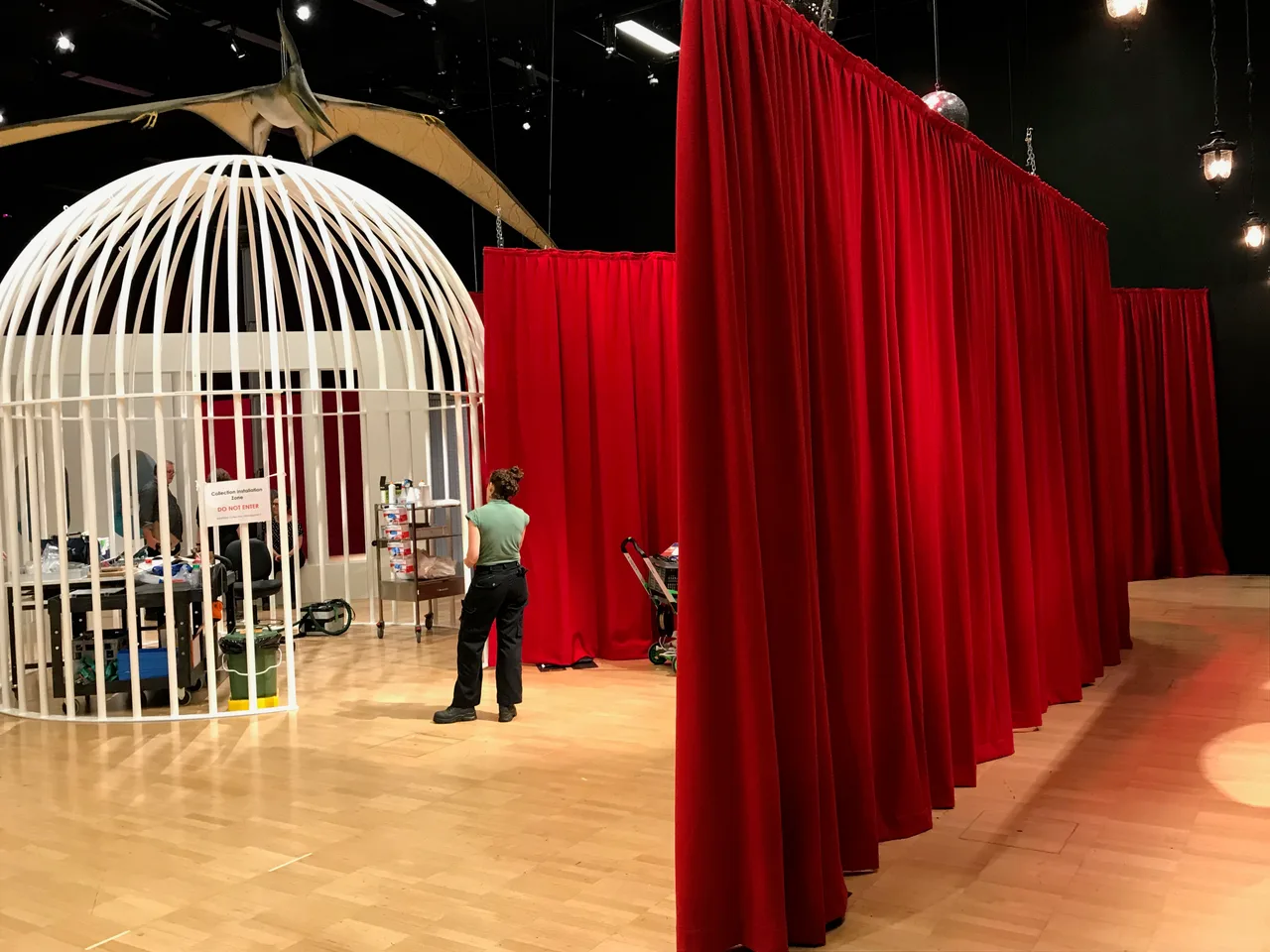
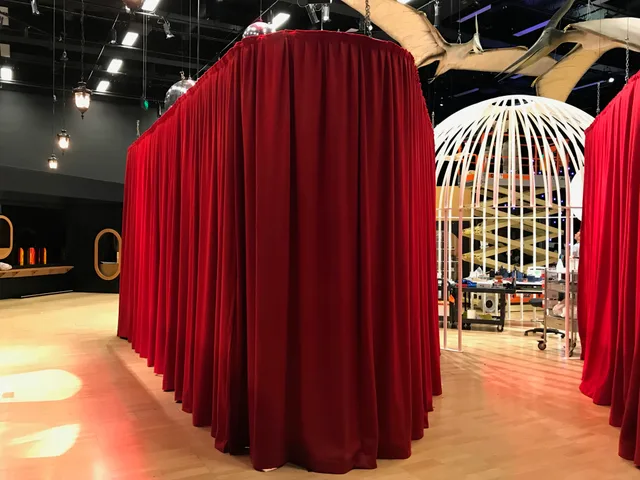
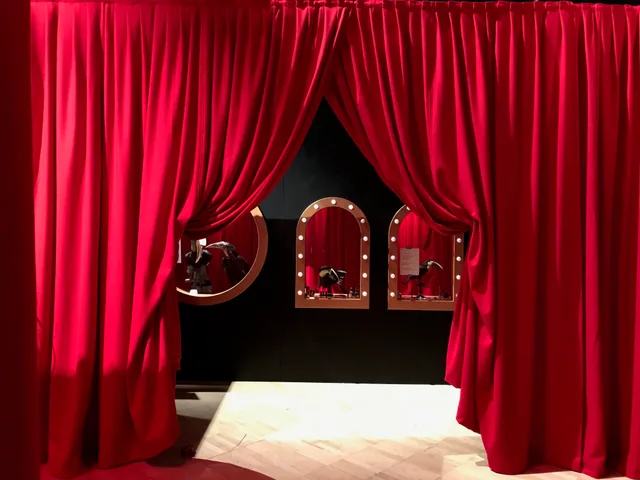
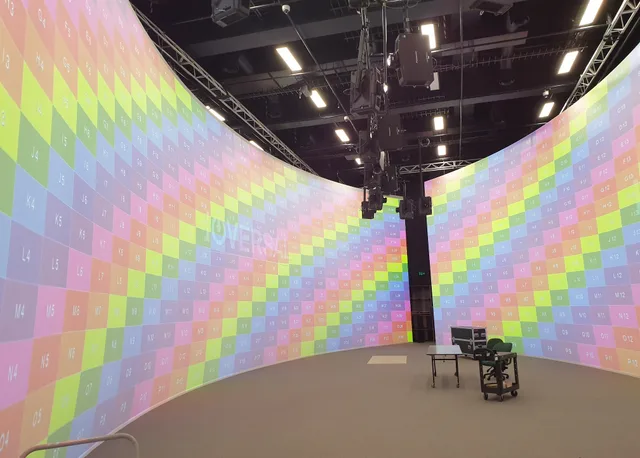
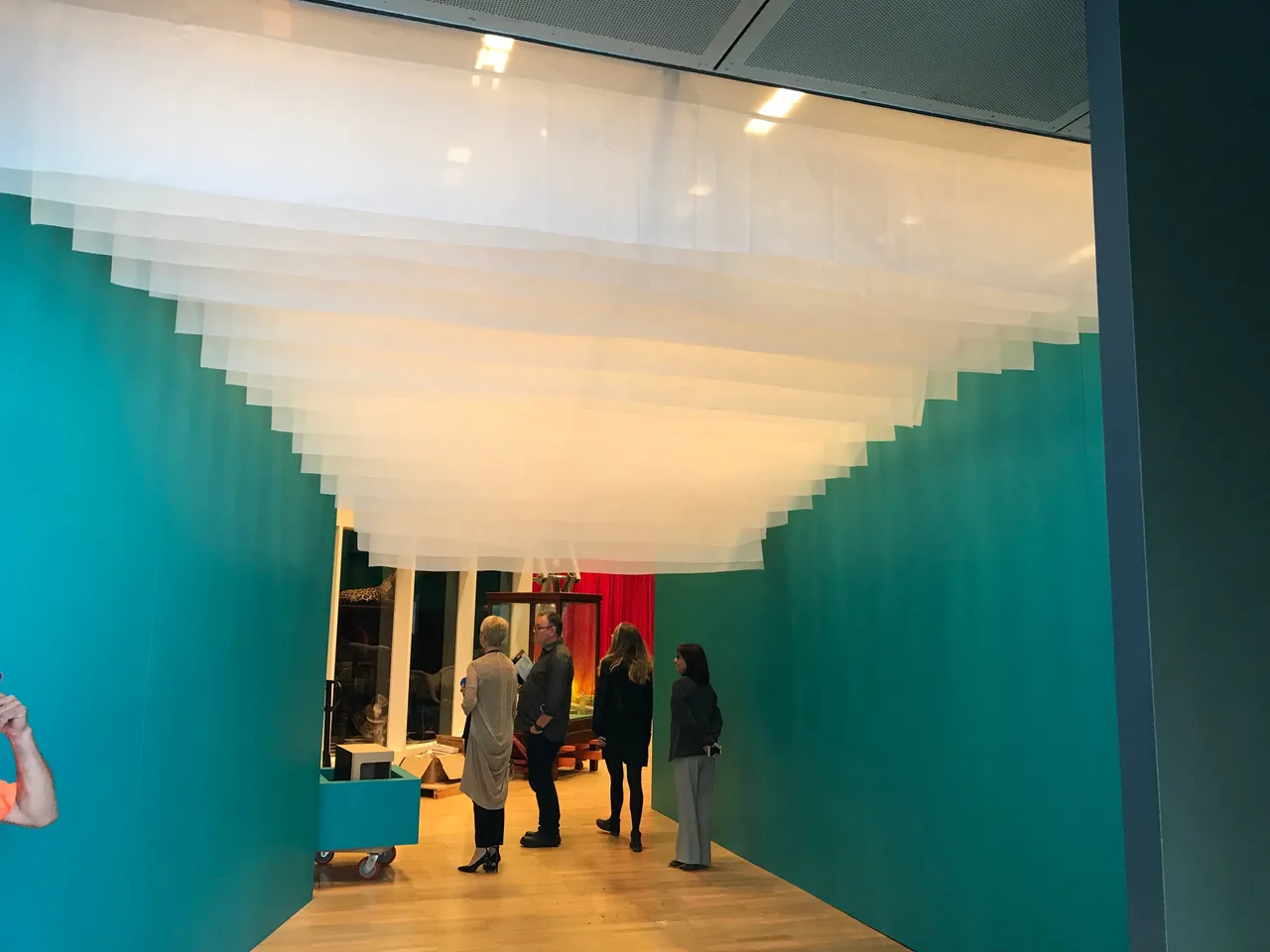 Voile canopy over the walkway
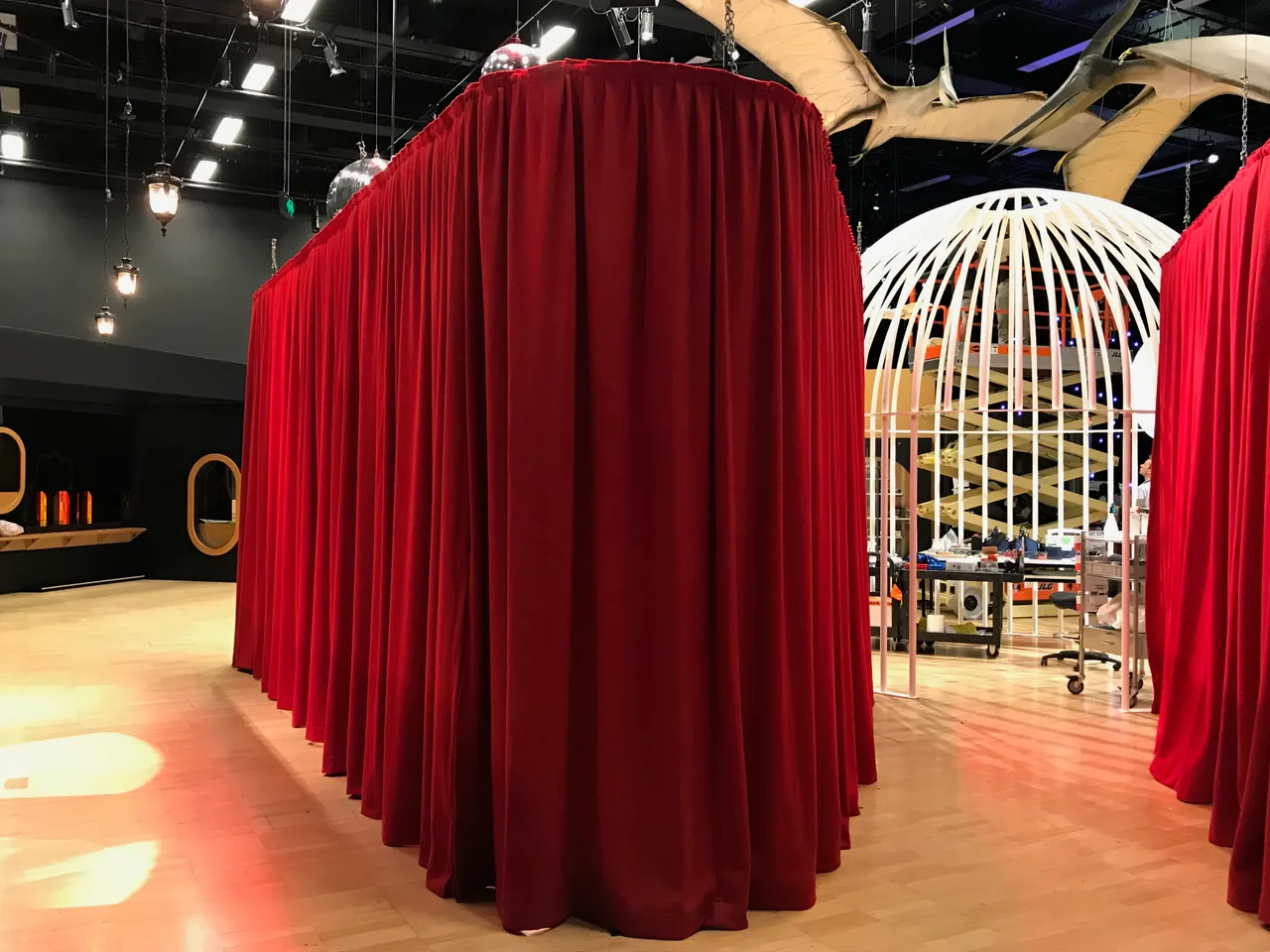 Drape enclosure on the gallery floor
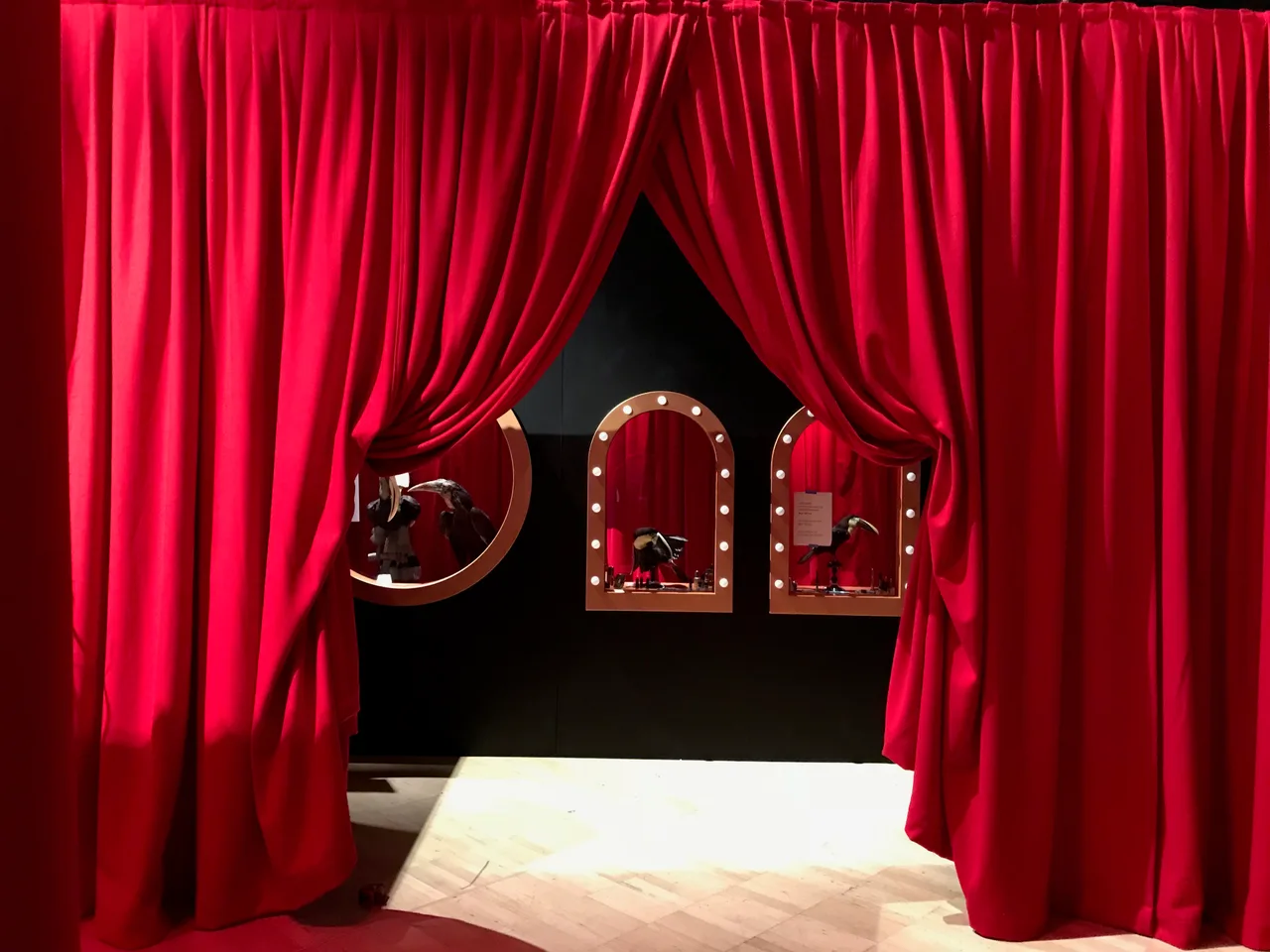 Swags framing the exhibition door
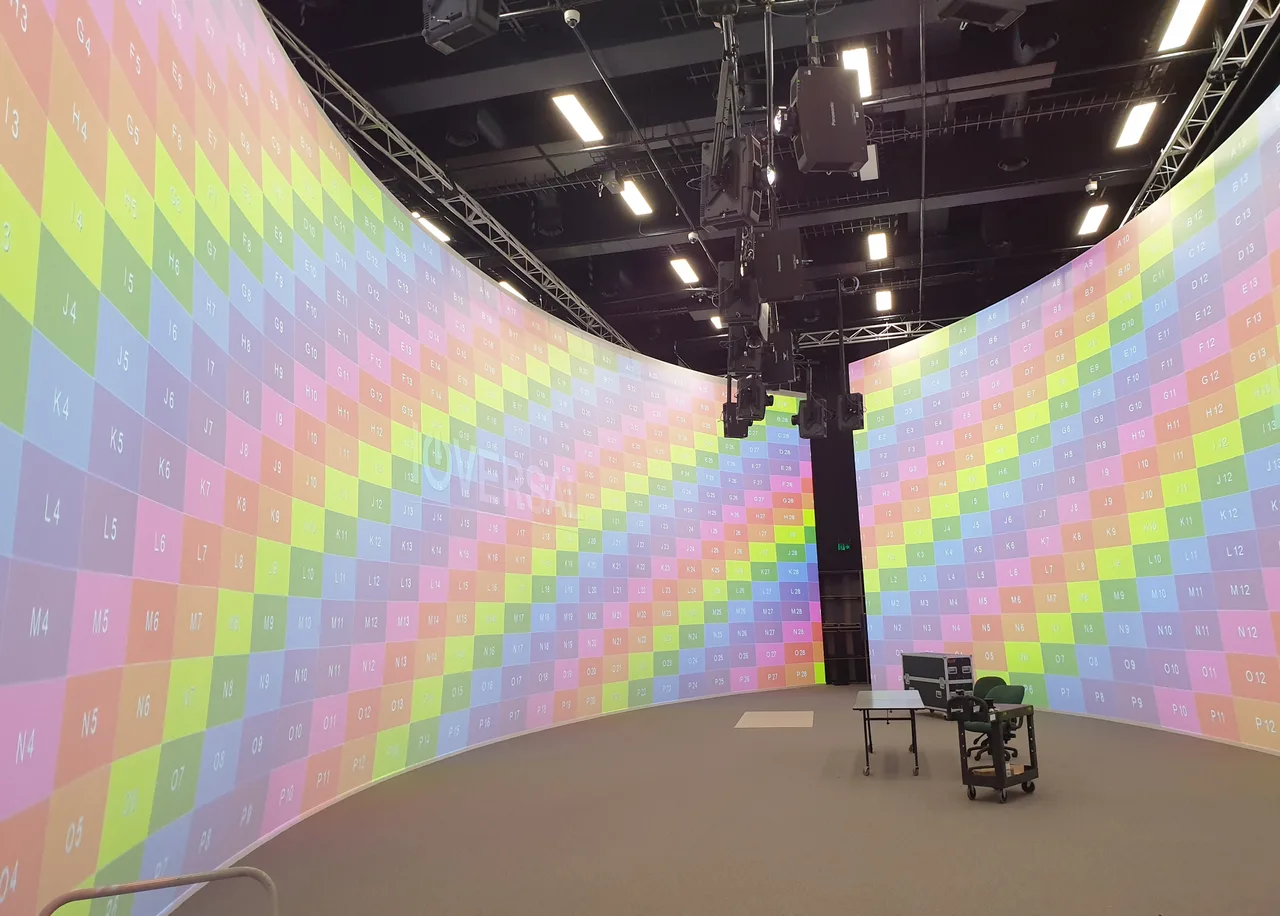 Projection cyc in alignment
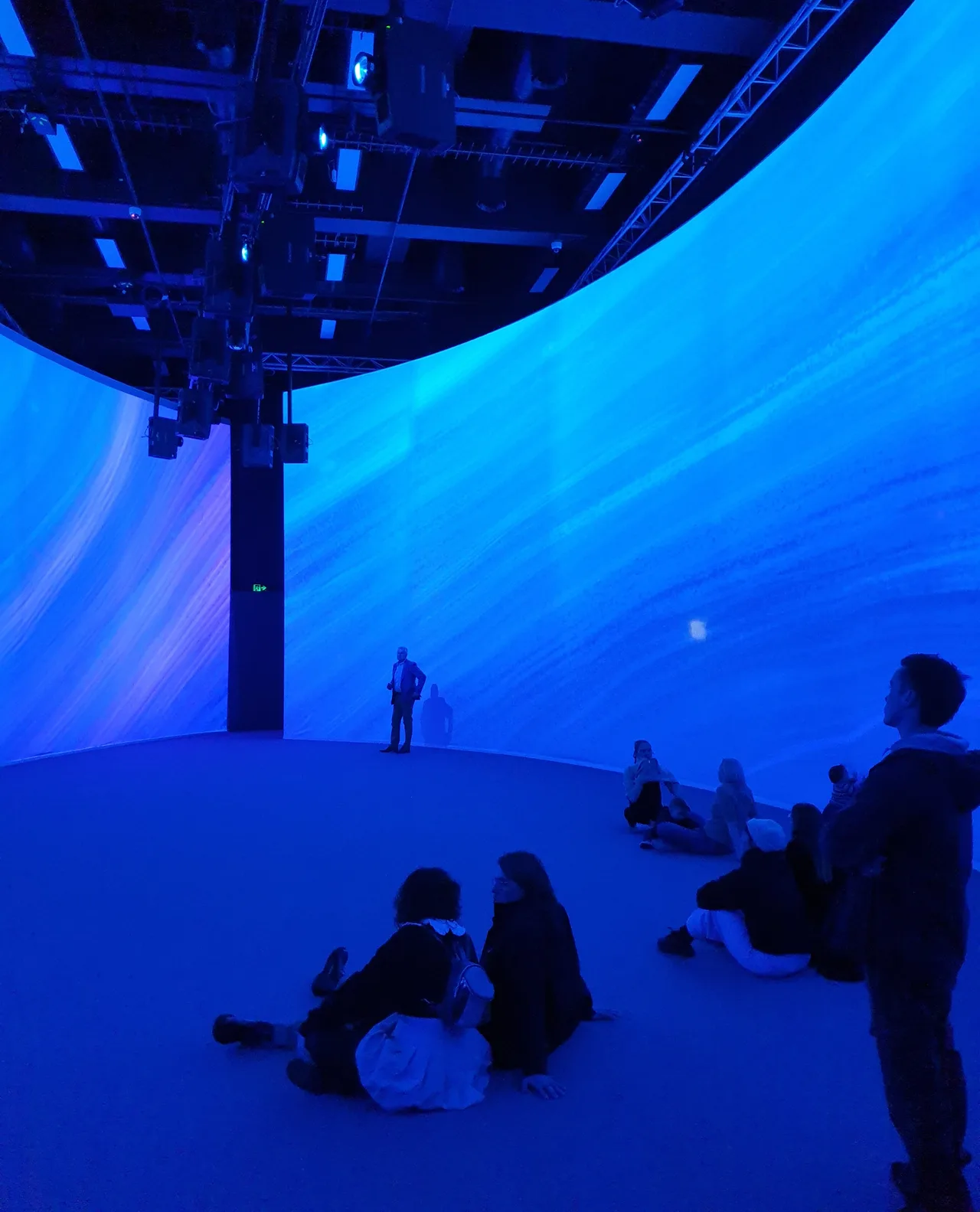 Inside the immersive room
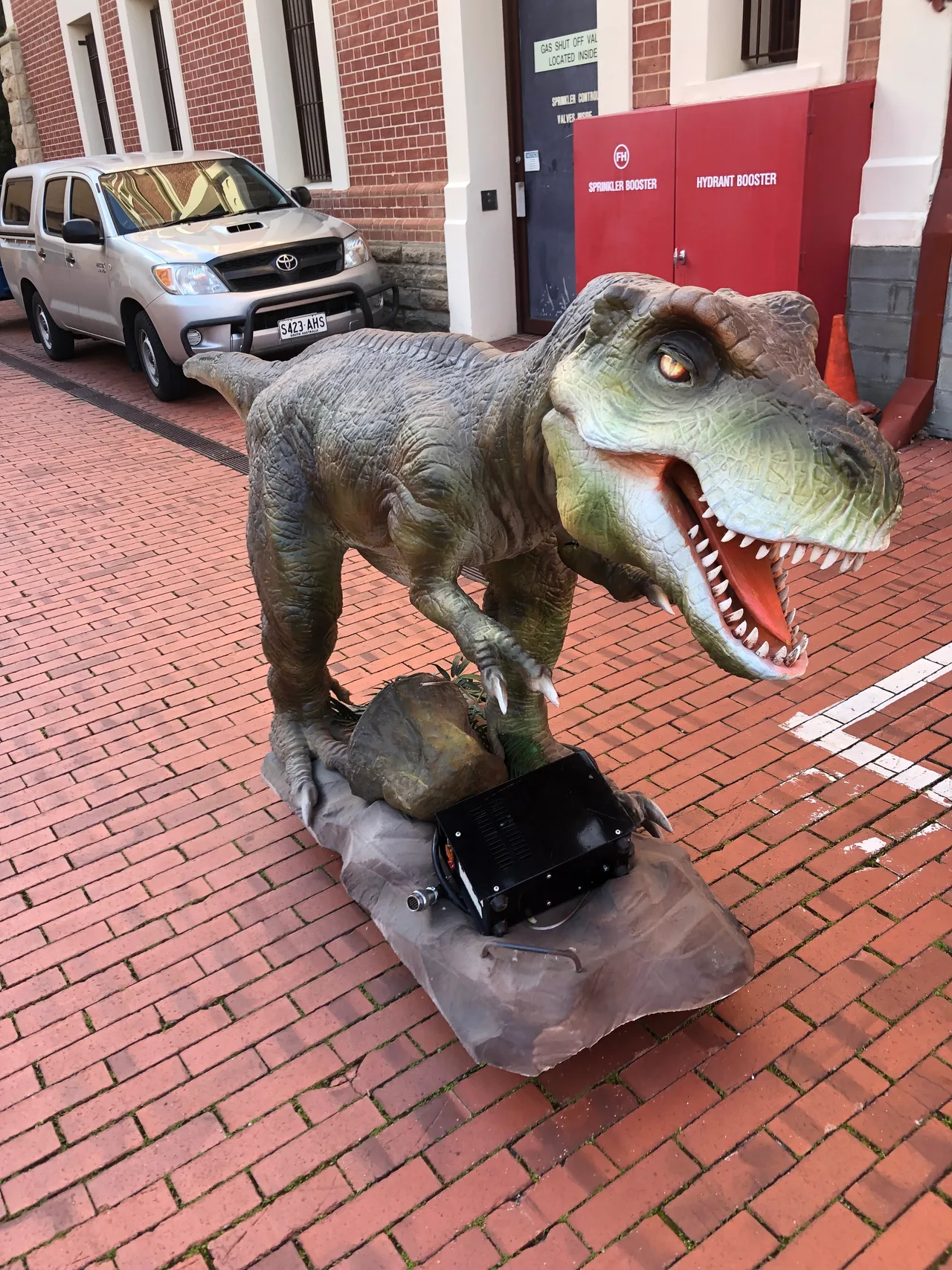 T-rex on the dock at SA Museum
Questions galleries always ask us.
Yes. Showcases, plinths and joinery are fabricated to the conservation requirements of the collection - material choice, finishes and detailing specified so the build protects the objects it holds. Where the brief calls for inert materials or sealed cases, we work to that, and install on site around the objects already in the gallery.
Either. Most often we fabricate to the designer's intent - we read the drawings, resolve the detailing for build and conservation, and deliver to that vision. Where there is no designer engaged, our own scenic design and drafting can take a concept through to a buildable, costed package. The build holds the intent either way.
Heritage recreation is a signature of the workshop. For the Little Lon houses at Melbourne Museum two 1860s dwellings were recreated - hard-plastered walls, creaking floorboards, rusting corrugated iron and bluestone paving - researched and detailed so a visitor stands inside the story. That build was delivered under Show Works, now a TSA-owned brand. Period rooms, facades and full immersive recreations are core work.
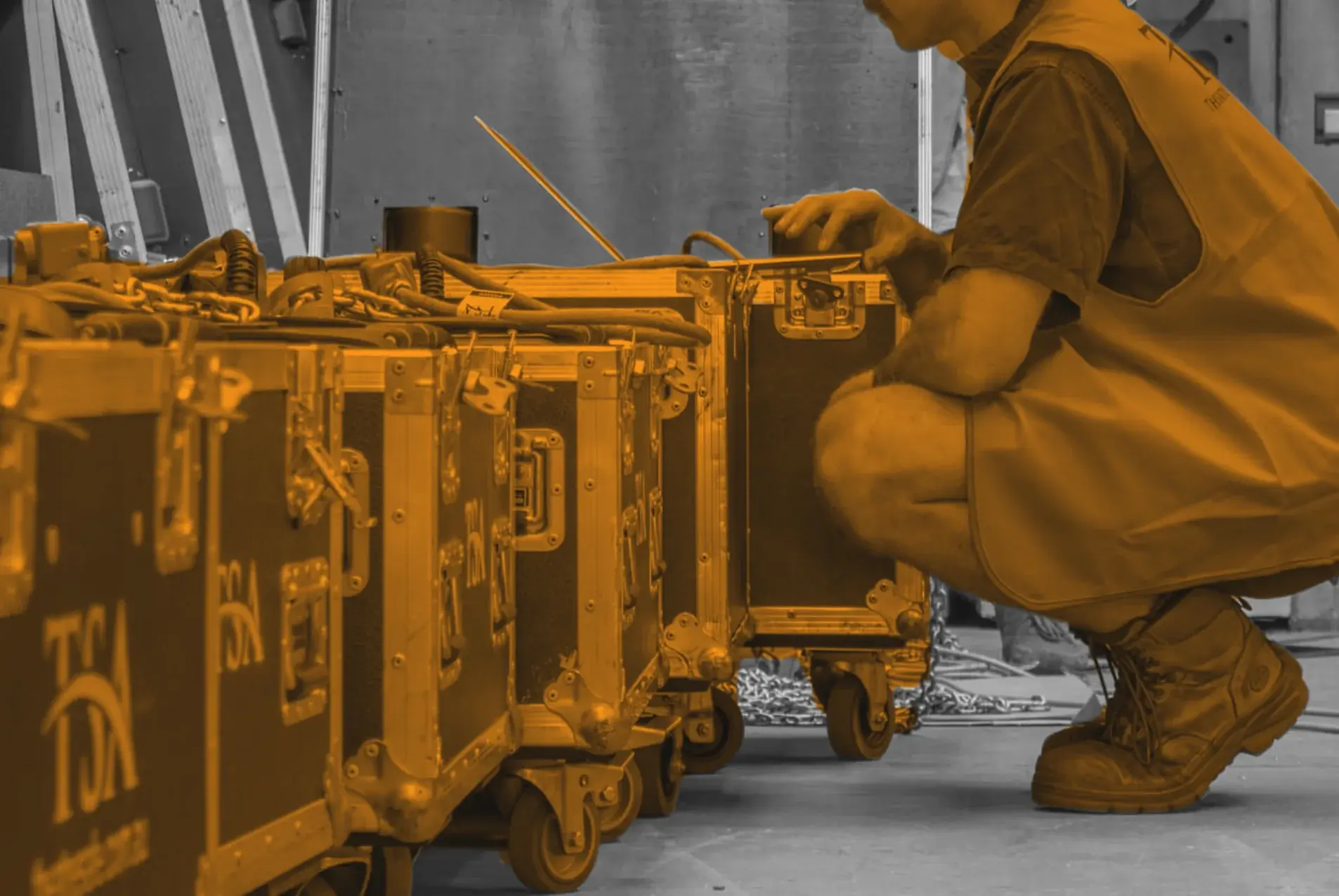
That's how we engineer a touring build. Pieces are designed to crate, travel and reinstate venue to venue without losing the finish, built to survive transport and a compressed install window. We build the crates, and where required we strike, pack and reset the exhibition build at each stop. Art handling is a separate qualification - that sits with the specialist team, usually supplied by you.
The install is programmed around the gallery calendar - the bulk is built and finished in our workshop, so on-site time is short and controlled. We work to the opening date, and where the gallery stays open we sequence the install around public hours and the objects already on display. Where an exhibit hangs overhead, the suspension points are rated and documented for work over visitors to AS 4991.
Bring us the drawings. We'll build to them.
Tell us about the exhibition, the conservation brief and your install window. We'll come back with a fabrication path that lands on the designer's intent and your opening date.